Nail-tech hardware and equipment
Know which nail equipment fits your work before you compare models
E-files, bits, dust collectors and lamps explained from maker documentation and published research: what each one does, what physically and electrically fits, and what the spec sheet leaves out.
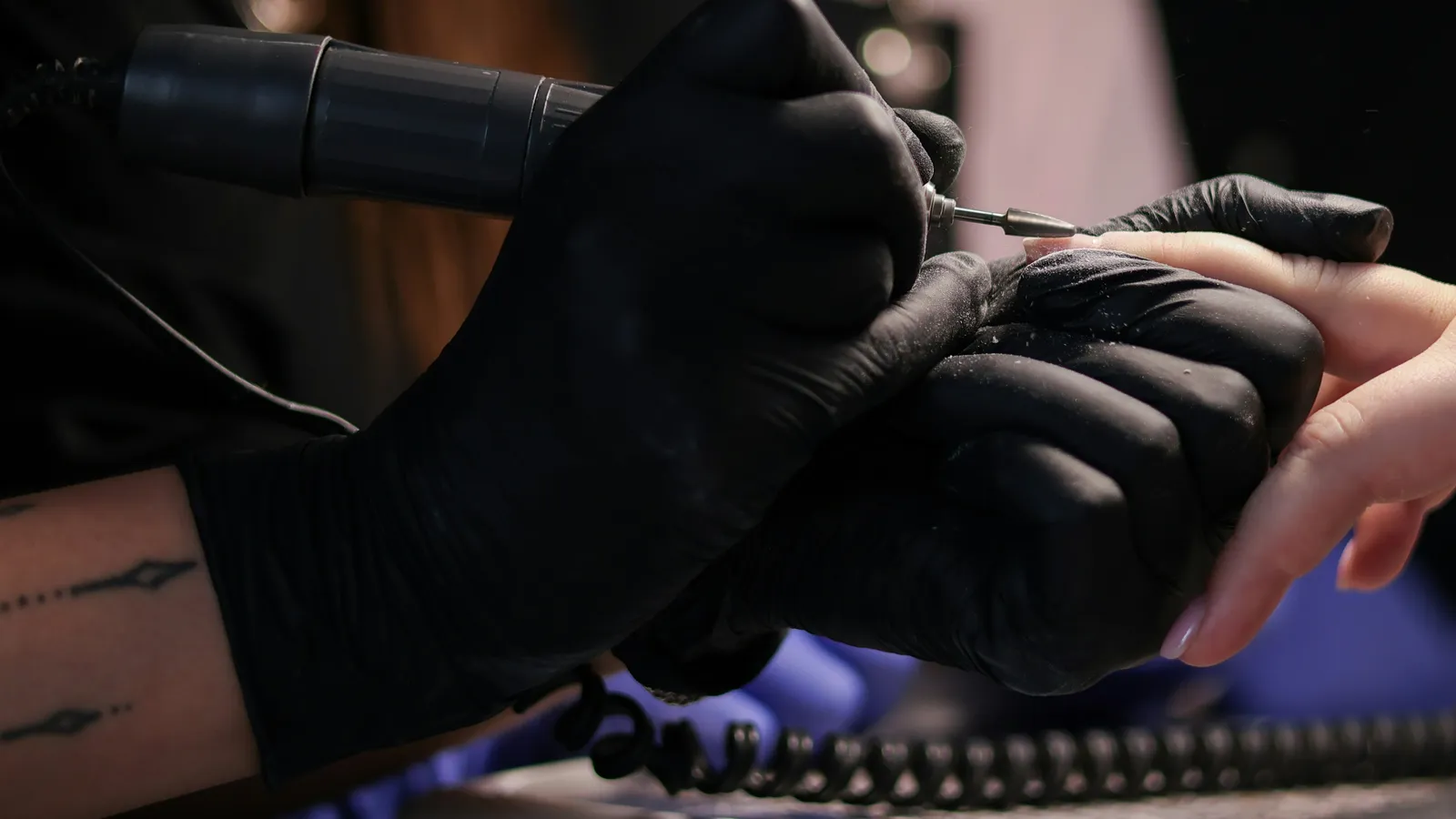
What to decide first
Fit first
Buy bits in the shank size your handpiece maker states, usually 3/32 inch. A 2.35 mm label is not the same number.
120 V and the right plug
Choose the US version with an input that covers 120 V, and the maker's own charger or adapter.
Claims kept as claims
RPM, battery hours, air speed and wavelength are the makers' figures, not measurements. We say so on every page.
Lamps match the gel
No lamp cures every gel. Use the lamp type your gel maker specifies, and know that LED lamps can emit UVA.
Find your equipment type
Pick an equipment type to see what it does, which specs matter, and what to check before you buy one.
Choose your equipment type to see the key facts. Each one links to its source on the full page.
Start with what you need to do
- Nail drill bits: shank fit, materials, shapes and gritsShows how to make sure a bit fits your handpiece before choosing its material, shape, grit and direction.
- Buying nail equipment: voltage, safety marks, sellers and returnsCovers the checks that sit outside any one product (voltage, safety marks, seller, returns) so a good spec sheet is not undone by the purchase.
- Nail dust collectors: tabletop, built-in and what claims meanSeparates the choices a collector spec sheet can settle (form, voltage, filter care) from claims it cannot (capture or health), using NIOSH and OSHA guidance.
- E-files: controllers, handpieces and what the specs meanPuts the e-file decisions in order (power source, bit fit, speed claims, controls, voltage and warranty) and links to the guide for each.
- UV and LED nail lamps: wavelength claims, size and limitsPuts gel compatibility, wavelength and wattage claims, lamp size and power source in order, and summarizes the UV evidence without overstating it.
- Portable nail equipment: cordless e-files, lamps and batteriesShows what a mobile kit trades away for portability and which battery and charger details to confirm before buying or traveling.
- Nail desk setup: stands, bit holders, collector placement, postureTurns NIOSH, OSHA and maker guidance into a desk layout: collector, lamp, drill holder, cords and posture.
Tools, shortlists and comparisons
Common buying mistakes
Treating 2.35 mm and 3/32 inch as the same
3/32 inch is 2.38 mm, and no maker we read says the two labels are interchangeable. Follow your handpiece maker's stated shank size.
Buying the biggest RPM number
Top speed is a maker figure, not a measurement under load, and Medicool's own guidance has most work well below it. Training matters more than the ceiling.
Expecting a dust collector to replace ventilation
NIOSH recommends local exhaust at the desk in addition to room ventilation. No collector we found publishes a tested capture figure.
Trusting an "official store" name
A store name is not proof a brand runs it. Check that the brand's own site links to the seller, and read "Ships from / Sold by" on Amazon.
Guides
All guidesRecently updated
How we choose
We explain which kind of equipment solves which problem, then what fits: bit shank, 120 V input, chargers and desk space. Every specification is attributed to the maker, a distributor or a named study, and fields no source confirms are marked as not confirmed. We feature a product only when a brand-linked seller and a stated fit are documented. We do not test products, cover gels or chemicals, or promise curing, health or hygiene results.
Read the full methodology